
Exposure Therapy
A short horror story about the unspoken.

“Every time I close my eyes for a little longer, there’s a new detail. Some of them are loud. You know? You know? The smell of overcooked meat coming from the kitchen. The laughter of a half-drunk cook and an old waitress after a hand lingered where it shouldn’t. The others? Oh, you know. You know. Small. Unimportant. Some uncanny face at the entrance. The clink of a fork falling to the ground. Ugly green paint peeling off the wall.”
John shivered nervously, knocking over the glass of water the moment the bright fluorescent lamp in the corner flickered.
“I’m sorry, doctor. I’m so sorry. But it’s all ok. You know? You know?”
She watched the water soak into the grey carpet — a dark, expanding Rorschach blot between them.
“None of this matters. You know? You know? Because I think I finally found peace. I understand everything.”
The fluorescent hum in this office usually faded into the background, but today it felt like a rhythmic pulse, timing the tremors in John’s hands.
“Listen to me, John. Peace is a dangerous word.” she said, voice low and steady. The tone she used to anchor patients drifting into collapse.
“In your state, it’s a surrender. You aren’t finding peace; you’re finding exhaustion.”
She reached into the desk drawer and pulled out a set of keys, the metal jangling with a sharp, clinical finality.
“Your mind is building that restaurant brick by brick to escape the silence. These details — the paint, the fork — are anchors. They make the dream feel more real than this room.”
She looked at him, letting a flicker of compassion trouble her consciousness for a brief moment.
“How long has it been? Three months now?”
He didn’t answer.
“You’ve never been there, right?”
“No, doctor.”
“I want to try something. If we stay here, you’ll just wait for the lamp to flicker again and see a face in the shadow.”
She stood up, gestured toward the door, and gave him a small, encouraging — if somewhat tired — smile.
“We’re going to drive ten blocks down to ‘The Mouths to Feed.’ We walk in, sit at a booth, and you’re going to see that the walls are beige, the waitress is a bored, thin college student, and the only thing scary about the steaks is their price. We are going to reclaim your sleep by proving that your mind is lying to you.”
She paused at the door, hand on the handle.
“Unless... you think your ‘peace’ is more important than your sanity?”
She expected him to protest, but instead he smiled shyly.
“I’m so happy, doctor. I thought you’d never ask.”
He chuckled nervously, wiping a tear from his cheek. Of dread? Of relief? Of happiness? Even the psychiatrist trying to help him for the past quarter couldn’t tell.
“Something changed last time I dreamed. You know? You know?”
He looked away, scratching the familiar wrist scars.
“Yes, John? What was it?”
“I wasn’t inside.”
A cold prickle lurked at the base of her neck.
“Really?”
“Yes, doctor. There are worse things than death. You know? You know? Death is peace. Death is sleep. I want sleep.”
In her years of practice, she had learned that the most dangerous point of a psychotic break isn’t when the patient is screaming. It’s when they start to smile at something the rest can’t see.
“Stop that.” she said, perhaps a bit too sharply.
She stepped forward, closing the distance between them.
“Don’t romanticize the void. You’re letting sleep deprivation turn your mania into a religious experience.”
She watched John’s fingers rake over the white lines on his wrist. The symmetry of it unsettled her — the old scars and the new, trembling intent — or perhaps, ironically, the anchor to life.
“Come. We’re leaving the metaphors and murky, improvised poetry in this office. Once we get there, we are going to prove that there is nothing to fear. Except for grease, overpriced steaks and bad coffee.” She laughed warmly.
She pushed the door open, the hallway beyond looking unusually long, the linoleum tiles stretching out toward the exit. She knew she needed to get John out. Reality was the only cure for this kind of poetic nihilism.
They walked through the quiet, empty hallway of the clinic until they reached her white Fiat 125p, parked outside.
Snow fell into the warm air and died on contact, dissolving into a slick sheen across the asphalt. The lantern lights bled softly through the humidity, turning the parking lot into a dim, sweating hollow.
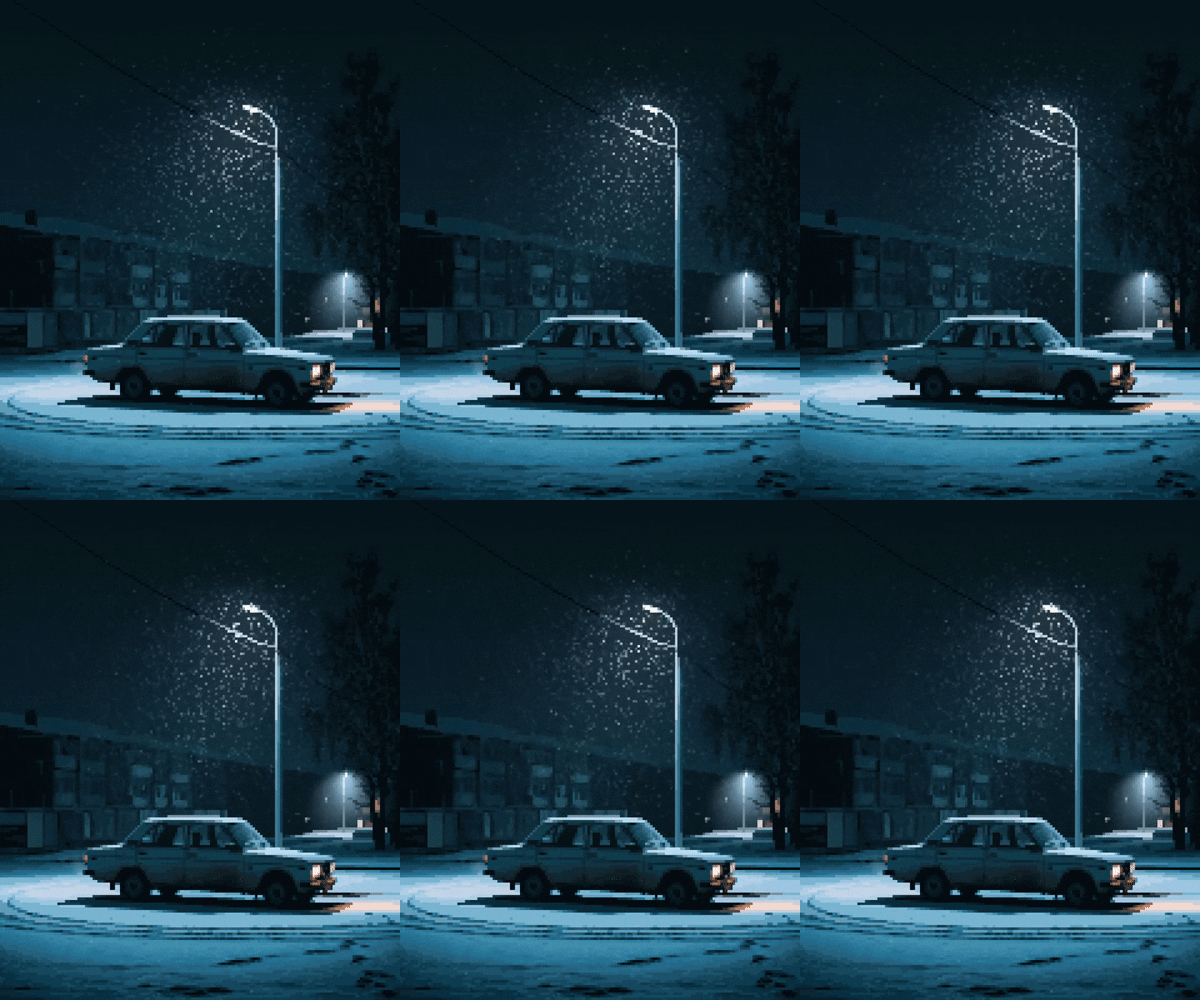
The keys bit into her palm. She opened the passenger door for him, watching carefully.
He entered the car. She followed into the driver’s seat. Buckled his belt first, then hers.
As she turned the ignition, the radio didn’t play music; it just emitted a low, wet static that sounded rhythmically like... chewing.
She snapped it off instantly.
“Old crap.” she commented, smiling under her nose.
The car crawled through a stagnant river of steel, concrete and exhaust.
Every few yards, the streetlights flickered to life, casting rhythmic pulses of harsh, sodium-white glare that sliced through the cabin and turned John’s pale, freckled skin into a flickering screen.
“I’m at the window. Not troubled by anyone. Not minding anyone’s business. Almost like I was… invisible. And inside…”
“Yes, John?”
“It’s you, doctor.”
“Me?” she asked, trying to keep her voice from thinning out along with the light. “That’s a classic displacement, John. You’re projecting your vulnerability onto the authority figure.”
“You have an answer for every question, don’t you, doctor?” He chuckled, staring at the passing lantern lights.
“It’s just a way for your mind to feel in control. If I’m the one who is scared, then you don’t have to be.”
“Scared?” He locked eyes with hers, visibly intrigued.
“Are you scared, doctor?”
She forced a dry, clinical laugh. It seemed too insincere even for herself.
They finally reached the parking lot on the restaurant’s back.
“I was fully transparent with you, doctor. Told you about mom’s last cancer-months. About daddy’s anger management issues. About my little brother’s accidental overdose. I answered all the questions you asked, yet you… You can’t answer a single, simple question.”
“What are you talking about, John? What question?”
“Are you scared, doctor?”
She ignored him again, pulling out of the lot.
“The fat waitress and the yellowed apron, huh?” she muttered. “Vivid. But highly unlikely. That place was renovated two years ago, if I recall. It’s all chrome and neon now. You’ll see.”
As they turned the corner toward the street where the restaurant sat, the smell of the city — exhaust and cold asphalt — began to change.
It was faint at first. A cloying scent of something metallic and wet, yet hard to identify.
“Are you going to tell me what happens to me in your dream?” She asked again, her eyes fixed on the nightmare’s address glooming just a dozen meters away.
“I don’t know, doctor. It’s just a silly dream. Isn’t it? Why don’t we just find out?”
He ran towards the place and leaned against the window to peek inside.
Once he looked back, she saw his face. Unnatural. Uncanny. Tense with an ear-to-ear smile. Eyes screaming for help.
Every human impulse told her to turn around and leave, not looking behind. Yet she had saved people like him before. She refused to believe this one would be any different.
A single, unwanted tear gathered at the corner of her eye, but she wiped it before it went down her cheek.
“It’s ok, doctor. Please don’t cry. We’re almost there. It’s almost over.”
It seemed like his face was about to snap, yet he was still smiling.
“I will finally be able to get a long, restful sleep! You know? You know? Look!” He burst into laughter. “You were right! Look at the walls! The walls... They’re not green. Beige like you said! It’s all ok, right? I’m so happy. So happy! You know? You know? Just... Could you step inside for me to make sure it really is fine?”
“Beige. Completely ordinary. I’ll go in, I’ll buy a coffee. Actually, no. I’m not going to buy a coffee. I will order a big, fat steak. Flirt with the young waitress. Make her blush and laugh. And then… We’ll put this devil of yours to rest.” she said, her voice sounding thin even to her own ears. “You know? You know?” The words slipped from her mouth, before she managed to choke on them, making her shiver in unease.
Still she adjusted her dress, trying to regain the professional armor and pressed forward.
She walked toward the glass door. The handle was warm despite the cold outside — uncomfortably so — and as she pushed it open, a bell chimed. It wasn’t a silver tinkle; it was a heavy, dull thud of brass against wood.
The smell hit her first. It wasn’t the scent of a modern diner. It was the thick, choking odor of scorched marrow and rotten grease.
One of the guests passed her in the entrance. He seemed normal, except for his weirdly asymmetrical face. One eye bigger than the other. Crooked smile. Half-burned brow. Scar on the cheek.
Her stomach turned.
“Please stop staring at my husband.” She took her eyes off the man only when his wife warned her.
She sat at the counter. The vinyl of the stool groaned. John was leaning against the glass. Terrifying, wide smile fixed on his face. Eyes wide and pleading.
“It’s just a coincidence,” she whispered. “Rationalism. Statistical probability.”
The waitress came. Not a young student selling her youth for pennies. Obese, skin slick with sweat, chewing pink bubblegum with a wet, rhythmic smack. She wiped a meaty, grey-toned hand on a yellowed apron stained with dark, unidentifiable streaks.
“What’s it gonna be for you, sweetheart?”
“Coffee,” she replied instinctively. “Wait… No… No coffee, I’d like…”
But it was too late. The waitress didn’t speak. She just put the dirty, chipped “Dzień dobry, słońce!” cup on the table. Pitch black, thick slush filled the vessel.
A fork hit the floor behind her. The sound was like a gunshot in the school’s corridor.
The world hummed. A deep, vibrating groan shook the floorboards, and the lights flickered once, twice, and died.
Then, the emergency reserves kicked in. A row of dim, industrial lights along the floor sparked to life, casting a sickly, chemical green glow upward. The beige gave way to the emerald rot of her patient’s nightmare.
She looked at the window. John took a step back. Then another. Eyes closed. Deeply asleep. Soon after he was gone in the darkness of the night.
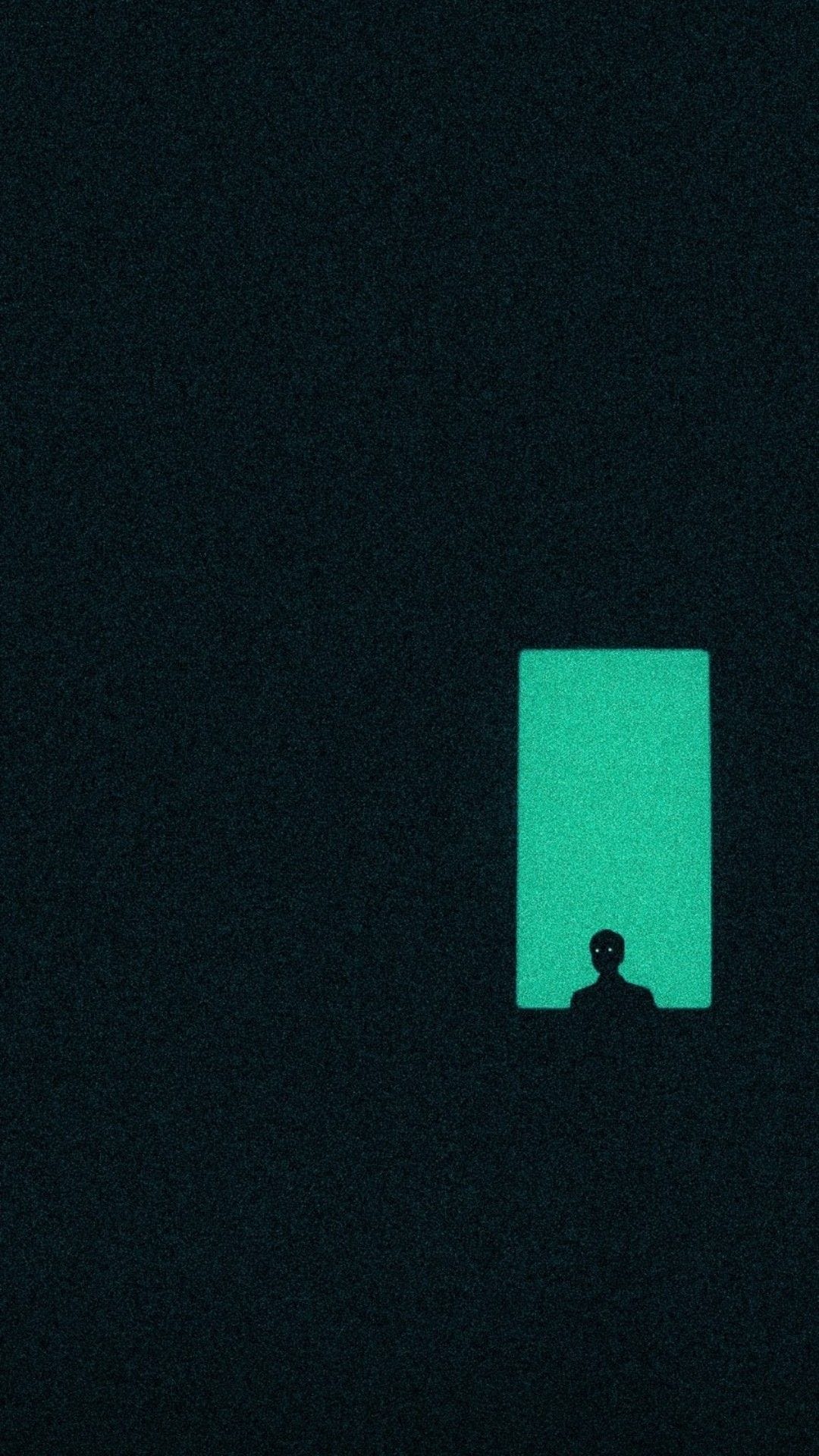
Outside, the street was gone. Paint started peeling off the walls. There was only the green light, the smell of burning flesh, and the trace of John’s breath on the window for a brief moment before the glass shattered into millions of tiny pieces.
She looked past the counter, toward the place where the kitchen should have been.
There was none.
The void bent the light inward, as if the room was being swallowed by the invisible force.
She tried to scream, but the thing she saw had already taken sound away.
Oooooh this is nice! Definitely creeps up on you! ☕️
This piece really got under my skin the way the fear and the 'unspoken' build through every line is so vivid and eerie. The atmosphere you create is haunting in the best way, and the tension between reality and the mind's shadows is nerve wrecking. Really powerful work!